When building or renovating a home, people often focus on flooring, paint, furniture, and lighting. However, one of the most important elements of any space is often overlooked — switches and sockets. These small electrical components control the power supply in your home or office and directly impact safety, efficiency, and convenience.
What Are Switches and Sockets?
A switch is a device that controls the flow of electricity in a circuit. It allows you to turn lights, fans, and appliances on or off.
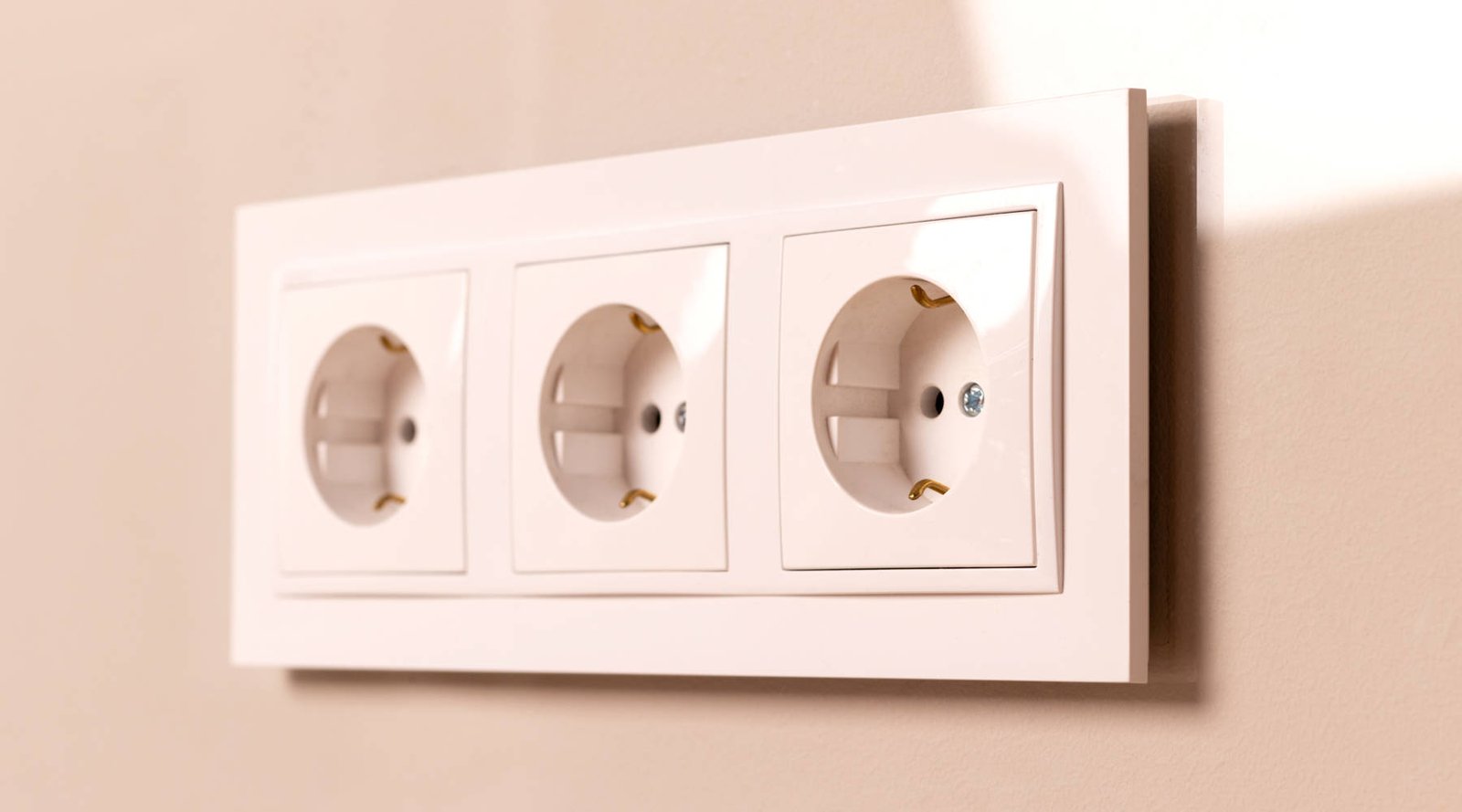
A socket (also known as an electrical outlet) is a point where electrical devices are plugged in to receive power.
Together, switches and sockets form the foundation of a safe and functional electrical system in homes, offices, and commercial buildings.
Why High-Quality Switches and Sockets Are Important
Using high-quality electrical switches and sockets ensures:
-
Electrical safety
-
Protection from short circuits
-
Prevention of fire hazards
-
Longer lifespan of appliances
-
Better performance and reliability
Cheap or low-quality fittings can cause overheating, sparking, and electrical damage. Investing in durable and certified switches and sockets protects both your property and your family.
Types of Electrical Switches
Understanding different types of switches helps you choose the right option for each area of your home.
1. One-Way Switch
A one-way switch controls a single light or appliance from one location. It is the most commonly used switch in residential spaces.
Best for: Bedrooms, bathrooms, small rooms.
2. Two-Way Switch
A two-way switch allows you to control one light from two different locations.
Best for: Staircases, hallways, large living rooms.
3. Dimmer Switch
Dimmer switches allow you to adjust light brightness according to your needs.
Benefits:
-
Energy saving
-
Mood lighting
-
Longer bulb life
4. Smart Switch
Smart switches connect to Wi-Fi and can be controlled via mobile apps or voice assistants.
Features:
-
Remote control
-
Scheduling options
-
Energy monitoring
-
Smart home compatibility
Types of Electrical Sockets
Different appliances require different types of sockets depending on their power needs.
1. Two-Pin Socket
Used for low-power devices like chargers, lamps, and small electronics.
2. Three-Pin Socket
Includes a grounding pin for added safety. Suitable for heavy appliances like refrigerators and washing machines.
3. USB Wall Socket
Modern homes now use USB sockets for direct charging of smartphones and gadgets.
4. Universal Socket
Universal sockets support multiple plug types and are ideal for offices and commercial spaces.
Modular vs Traditional Switches and Sockets
Traditional Electrical Fittings
-
Basic design
-
Limited style options
-
Bulky appearance
Modular Switches and Sockets
-
Modern and sleek design
-
Easy to install and replace
-
Customizable layout
-
Better safety features
Most modern homes prefer modular switches and sockets because they improve both functionality and interior aesthetics.
Materials Used in Switches and Sockets
The material affects durability and safety.
Polycarbonate Plastic
-
Heat-resistant
-
Shock-resistant
-
Durable and affordable
Metal Finish
-
Premium look
-
Long-lasting
-
Suitable for modern interiors
Glass Panel
-
Elegant and stylish
-
Scratch-resistant
-
Easy to clean
Choosing high-quality material increases the lifespan of electrical fittings.
Safety Features to Look For
When buying switches and sockets, check for:
-
Fire-resistant material
-
Child safety shutters
-
Proper grounding
-
Certified manufacturing standards
-
Overload protection
Safety should always be the top priority when selecting electrical accessories.
How to Choose the Right Switches and Sockets
Selecting the right electrical switches and sockets depends on:
1. Power Load
Heavy appliances require high-capacity sockets.
2. Location
Use waterproof or moisture-resistant switches in kitchens and bathrooms.
3. Interior Design
Choose colors and finishes that match your wall paint and décor.
4. Smart Features
Consider smart switches for energy efficiency and convenience.
5. Budget
Invest in quality products to avoid frequent replacement.
Installation Tips for Electrical Safety
-
Always hire a professional electrician
-
Ensure proper earthing
-
Avoid overloading sockets
-
Keep switches away from water
-
Regularly inspect for overheating
Proper installation ensures long-term performance and reduces risks.
Latest Trends in Switches and Sockets
Modern electrical solutions now focus on both technology and design.
Trending options include:
-
Touch-sensitive switches
-
LED indicator switches
-
Glass panel designs
-
Matte finish modular switches
-
Smart home integrated systems
These stylish options enhance the overall look of your interiors.
Maintenance and Care
To maintain switches and sockets:
-
Clean with a dry cloth
-
Avoid water contact
-
Replace damaged units immediately
-
Check for loose connections
Regular maintenance increases safety and durability.
Why Switches and Sockets Matter in Interior Design
Today, switches and sockets are not just electrical components — they are part of interior styling. Modern modular panels blend seamlessly with walls and furniture, creating a clean and premium appearance.
Well-designed electrical fittings improve:
-
Home aesthetics
-
Property value
-
Daily convenience
-
Safety standards
Conclusion
Switches and sockets are essential components of every electrical system. Choosing high-quality, safe, and modern electrical fittings ensures long-lasting performance and protection for your home or office.
Whether you are building a new property or upgrading your current electrical system, always select certified, durable, and user-friendly fittings. They may be small in size, but these essential electrical components play a powerful role in your everyday comfort and safety.
🌐 Visit: https://trustedtoolsuae.com/
📞 Call: +971 55 336 1502
Illuminate your space with expert guidance today!